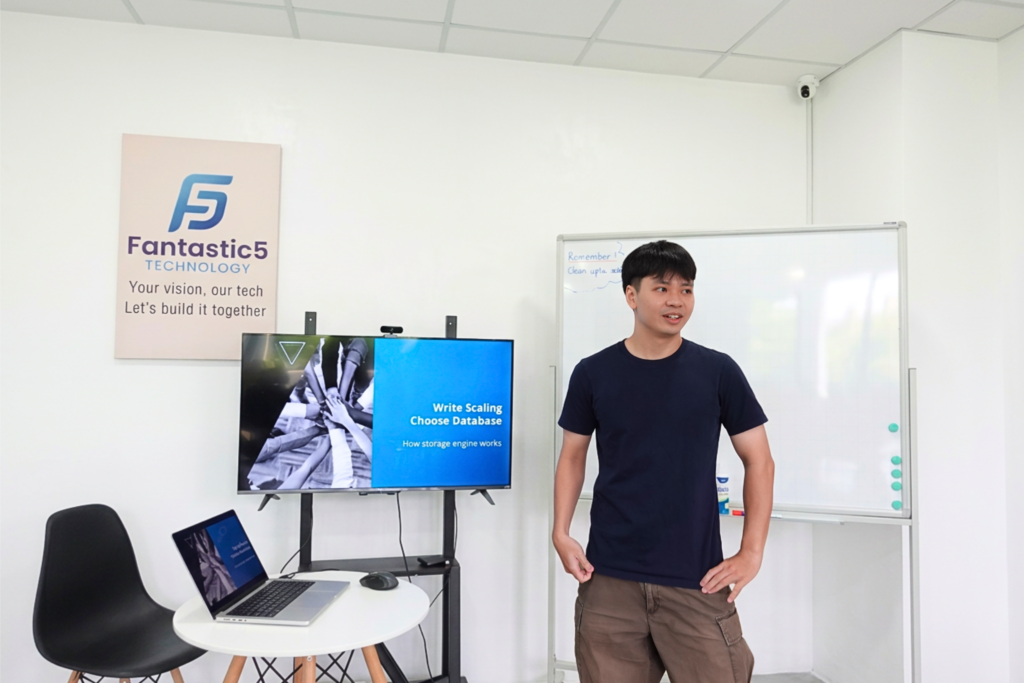
English Day continues to foster a culture of continuous learning through another insightful Learn & Lunch seminar.
Introduction
At Fantastic5 Technology, our weekly Wednesday English Day is dedicated time to sharpen technical communication and deepen engineering knowledge, entirely in English. This week’s Learn & Lunch tackled one of the most impactful decisions behind every on-disk database: how storage engines handle writes, and why getting it wrong costs you at scale.
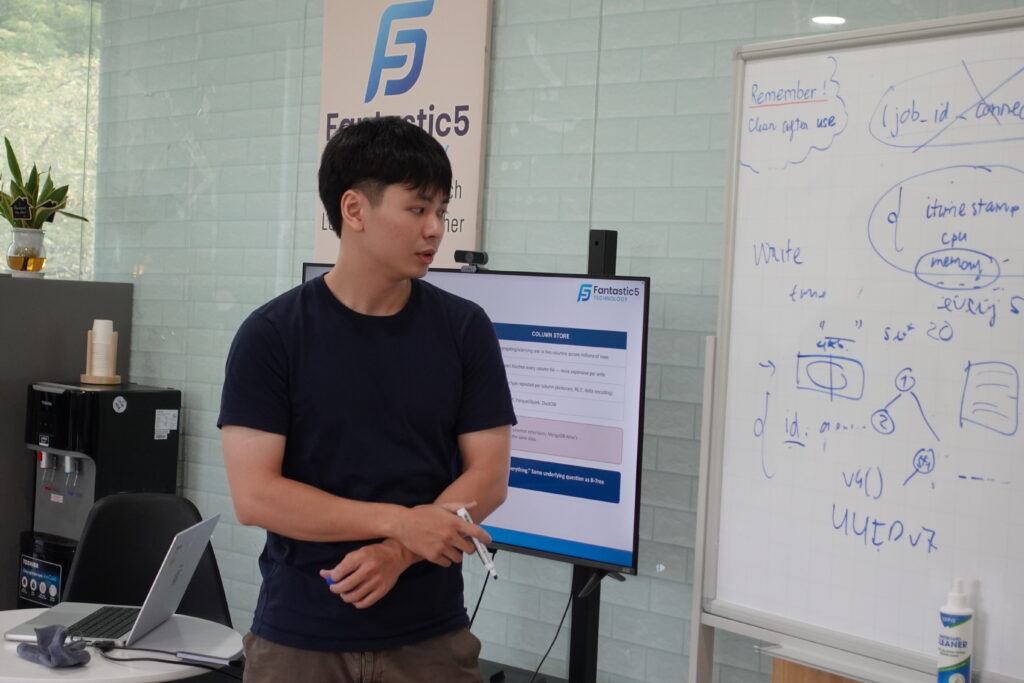
The session was led by Khiem Nguyen from the Nexus Team, combining theory, benchmarks, and real-world trade-offs over a company-sponsored lunch.
Session Overview
| Topic | Write Scaling – Choosing the Right Database |
| Presenter | Khiem Nguyen |
| Format | Presentation + Live Q&A + Company-Sponsored Lunch |
B-Tree vs. LSM-Tree
The session opened by contrasting two dominant storage engine families, each optimized for opposite ends of the read/write trade-off spectrum.
| B-Tree | LSM-Tree | |
|---|---|---|
| Used by | MongoDB, PostgreSQL | Cassandra, RocksDB |
| Optimized for | Reads | Writes |
| Write behavior | Random I/O, can trigger page splits | Append to an in-memory buffer, later flushing sequentially to disk |
| Read behavior | Fast — logarithmic page reads | Slower — may check multiple SSTables |
| Main trade-off | Write amplification | Read amplification |
| Best for | OLTP with mixed read/write | Write-heavy, append-dominant workloads |
Using random UUIDv4s as primary keys scatters writes across the entire B-Tree index — keeping hundreds of random pages hot in RAM. Switching to UUIDv7 restores sequential patterns and dramatically reduces disk seeking.
LSM-Trees address read amplification through three mechanisms:
- Bloom filters — probabilistic checks that skip files definitely not containing a key
- Block caches — keeping frequently accessed blocks in RAM to avoid repeated disk reads
- Compaction strategies — Size-Tiered (STCS) for write efficiency vs. Leveled (LCS) for read speed
Row store vs. columnar store
Beyond storage engines, the session explored a separate axis: how data is physically arranged on disk.
| Row store | Columnar store | |
|---|---|---|
| Storage pattern | All fields of one record together | Each column grouped across all rows |
| Ideal for | OLTP (transactional queries) | OLAP (analytical / aggregation) |
| Query strength | Fetching a full user record | SUM(amount) across millions of rows |
| Compression | Limited | High — Dictionary, RLE, Delta encoding |
Lunch and Networking
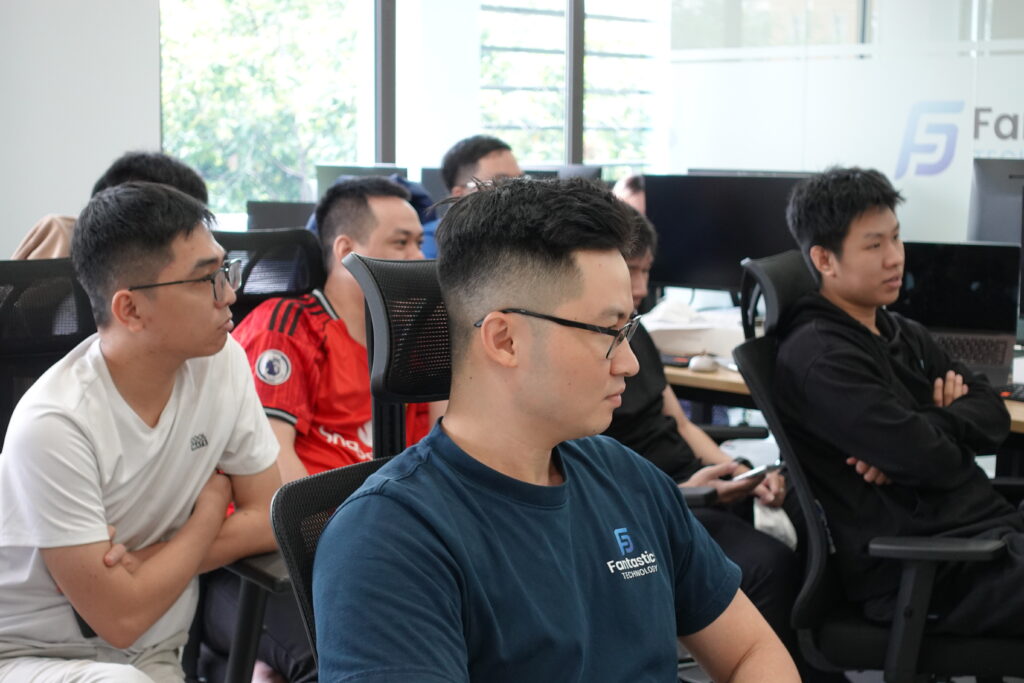
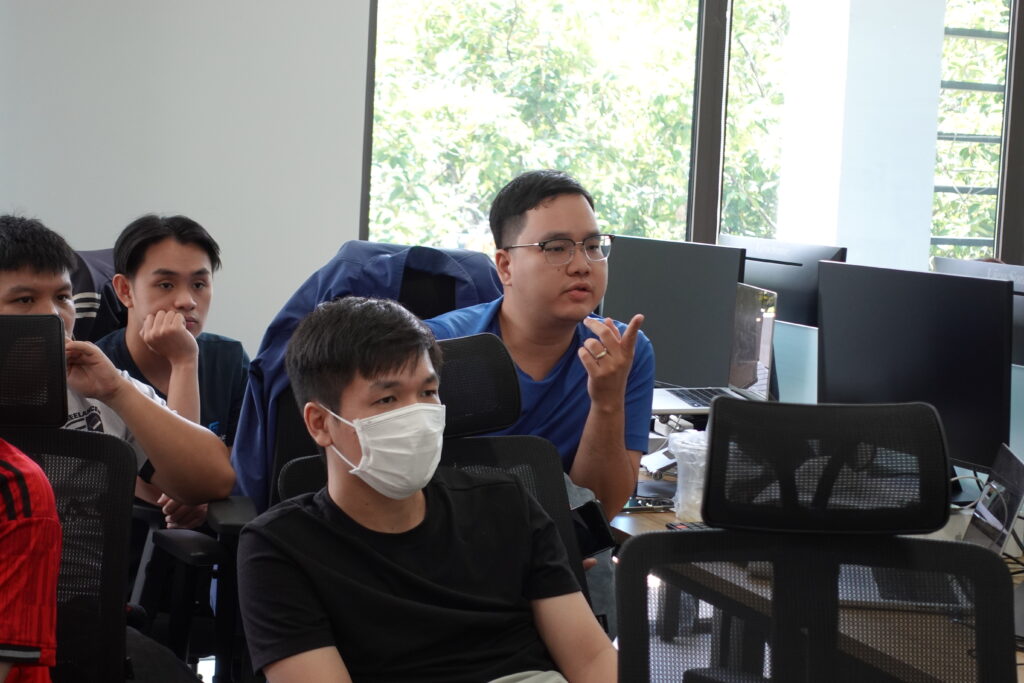
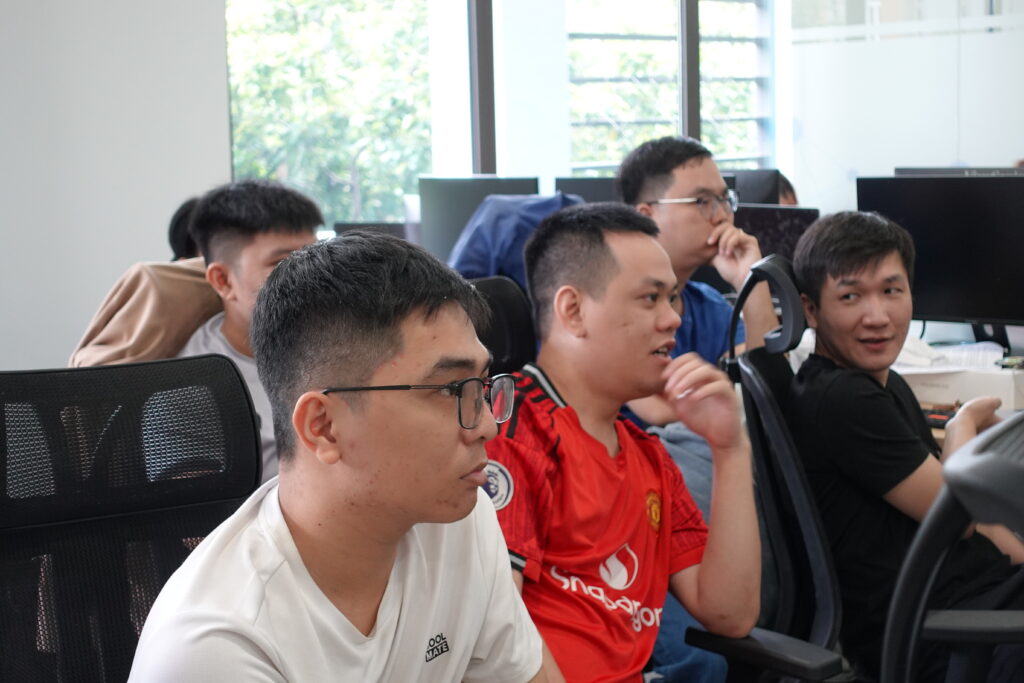
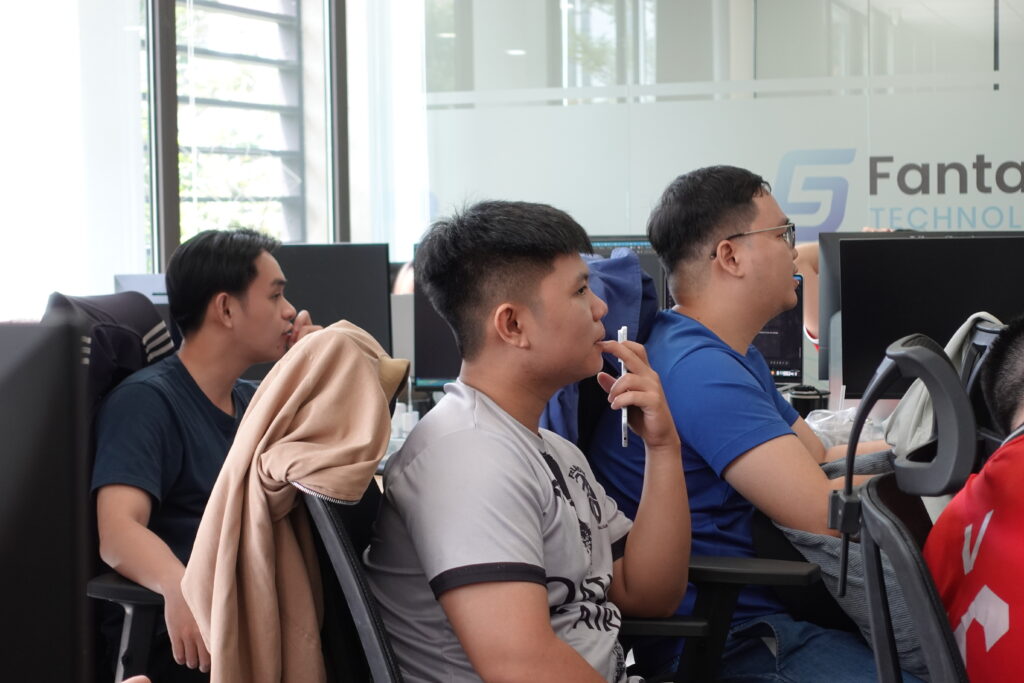
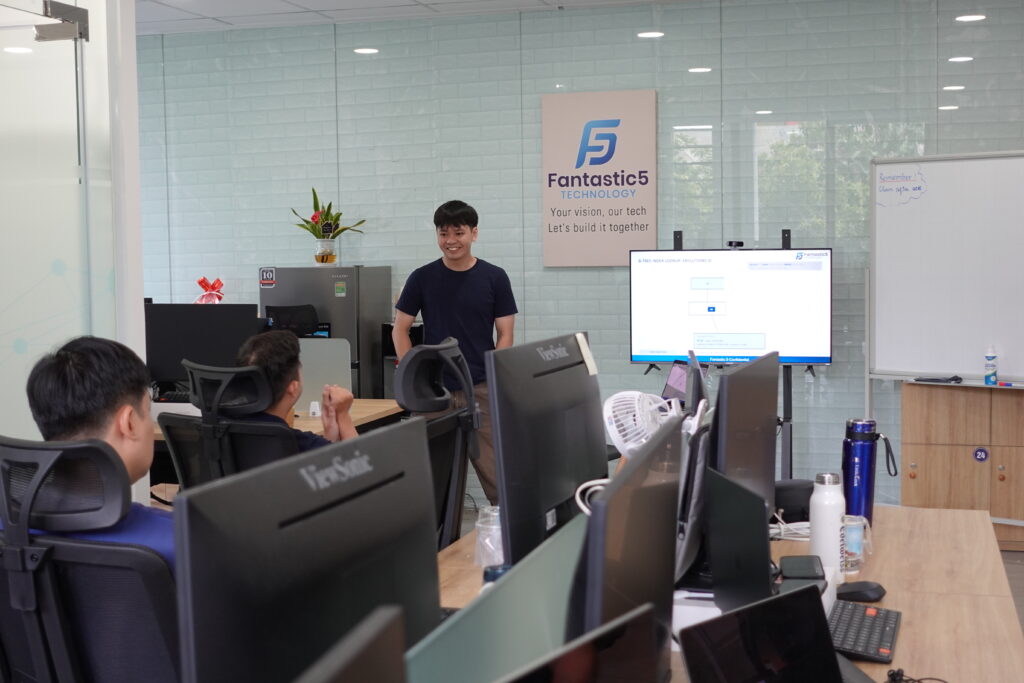
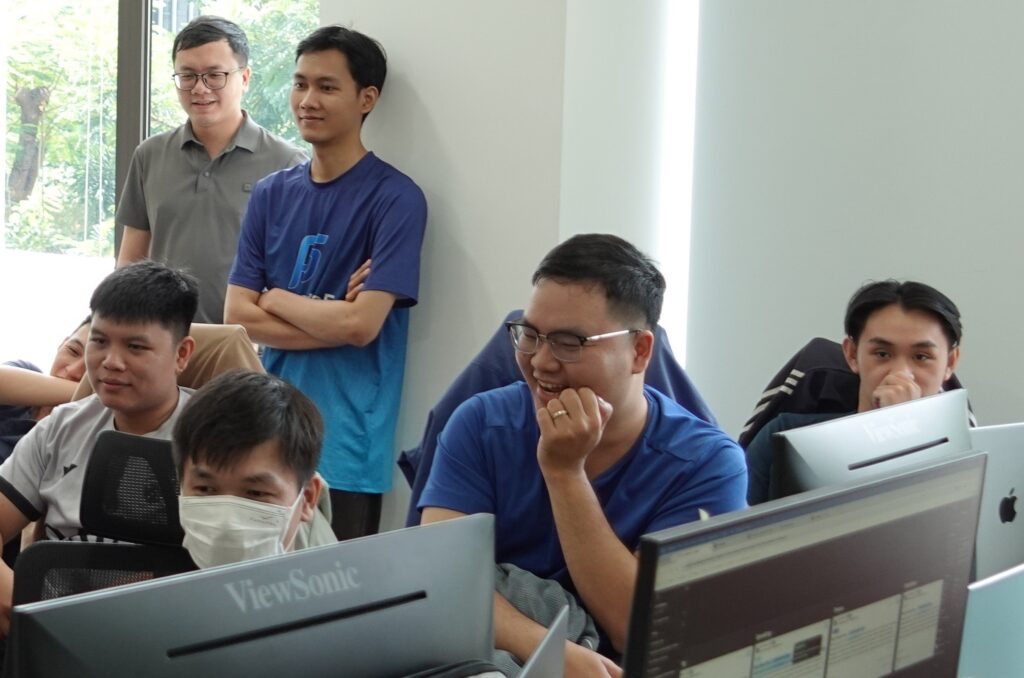
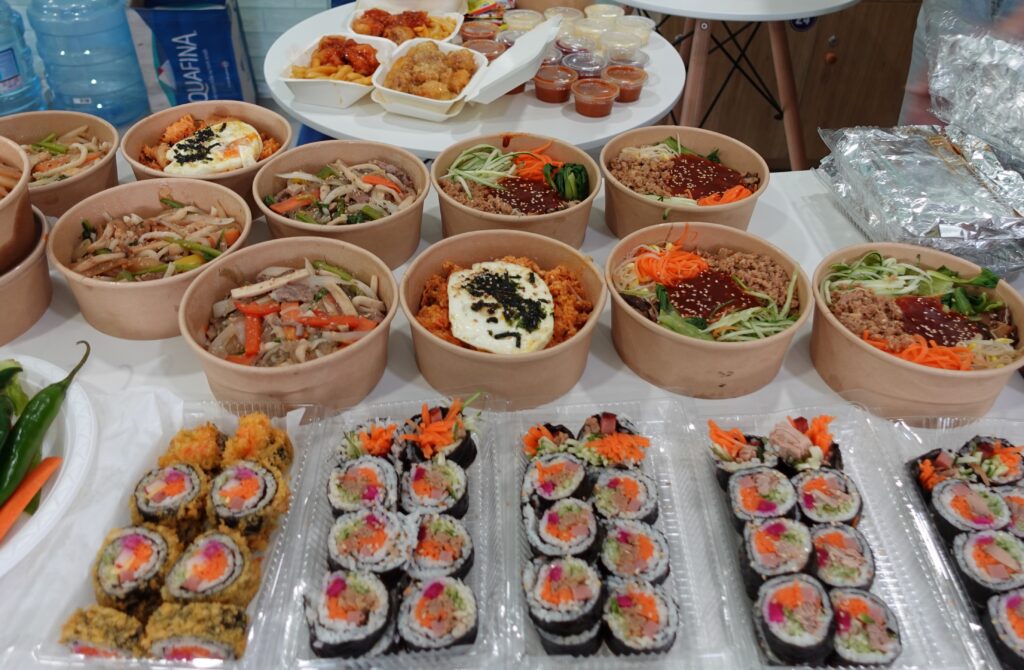
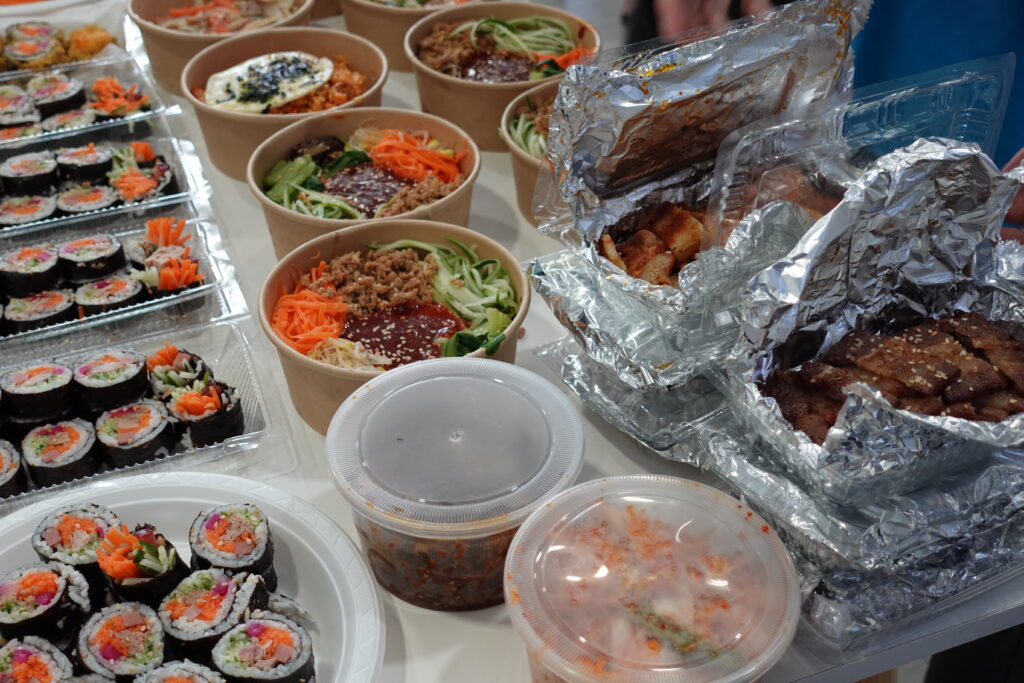
As the technical deep-dive wrapped up, the team transitioned to the lunch portion. Over a company-sponsored meal, colleagues from different departments continued debating database trade-offs in a relaxed setting – in English, of course. These moments of informal exchange are where ideas move from slides to real implementation discussions.
Want to catch the next session?
We run Learn & Lunch every Wednesday at Fantastic5 Technology.
Follow us on LinkedIn for weekly session recaps and tech insights – or explore open roles.